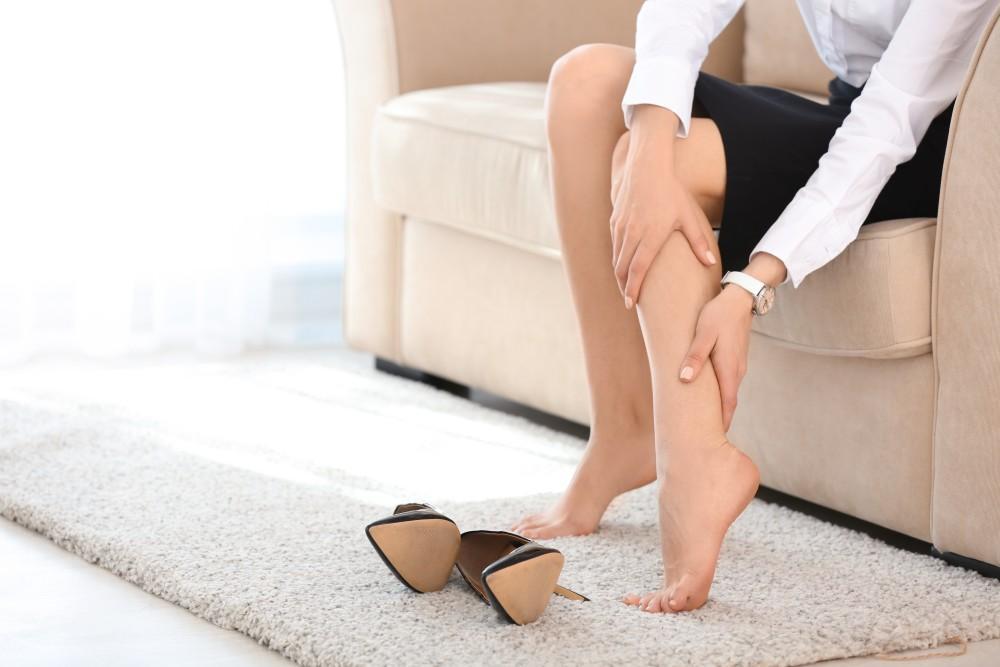
It’s easy to blame aching legs on getting older, being out of shape, or simply doing too much.
At Carolinas Vein & Vascular Solutions in Huntersville and Mooresville, North Carolina, board-certified vascular and general surgeon Martin Carignan, MD, explains that leg symptoms often point to a circulation problem.
Peripheral artery disease (PAD) develops when plaque buildup narrows arteries, limiting the flow of oxygen-rich blood to your legs and feet. It affects at least 12 million Americans, particularly those over 40. Here are five warning signs to pay attention to:
1. Your legs hurt when you walk but feel better after
This pattern is a classic sign of PAD. Called claudication, it can feel like cramping, aching, heaviness, or fatigue in your legs when you walk or climb stairs.
What makes it distinctive is the pattern. The discomfort tends to appear with activity, improve quickly with a few minutes of rest, and return when you start moving again. That makes it particularly easy to mistake for being out of shape.
2. One foot or leg feels colder than the other
Everyone gets cold feet occasionally — but a persistent temperature difference in your legs or feet is often a sign of PAD. Reduced circulation can make one foot or lower leg noticeably cooler than the other.
3. Cuts or sores don't heal as usual
Your skin needs a steady supply of oxygen and nutrients to repair damage. When PAD limits blood flow, even a small cut or sore on your toe, foot, or leg may take unusually long to heal. Or, a wound may start to heal and then break open again, starting the process anew.
Don't assume a stubborn wound needs more time. Poorly healing sores can worsen and become increasingly difficult to treat.
4. Your leg or foot starts looking different
Sometimes PAD leaves visible clues before you connect the problem to your circulation. You might notice shiny skin, less hair growing on your legs or feet, or changes in your toenails. You may also notice that the skin looks unusually pale, bluish, or another color.
These changes have many possible causes, but combined with other PAD symptoms or risk factors, they often indicate circulation problems.
5. Your feet or legs hurt even when you rest
Pain doesn't always stop when PAD becomes more advanced. Severely restricted circulation can cause aching or burning in your feet or toes while you're sitting or lying down, sometimes becoming particularly noticeable at night.
Pain at rest can be a sign that your tissues aren't receiving enough blood even without the increased demands of physical activity, and it may mean that PAD is worsening.
Don't wait for all five signs
You don't need to check every box to have PAD. Some people have few or no obvious symptoms early on.
If you experience persistent or recurring leg symptoms, Dr. Carignan can evaluate your circulation and determine whether testing, such as an ankle-brachial index (ABI) or vascular ultrasound, is appropriate.
Available PAD treatments can help improve circulation and significantly reduce your discomfort.
Contact Carolinas Vein & Vascular Solutions today to schedule your appointment and get to the source of your symptoms. Call 704-486-8769 (Huntersville) or 704-659-4499 (Mooresville) to get started.